

California requires VIN verification for all vehicle registrations and titling, ensuring authenticity by matching VINs to manufacturer records. This process is legally mandatory for owners, dealers, and mechanics, preventing fraud, theft, and unauthorized alterations. A vin verified vehicle has successfully undergone this check, offering peace of mind and simplifying DMV processes with enhanced consumer protection.
California’s Department of Motor Vehicles (DMV) imposes stringent guidelines for Vehicle Identification Number (VIN) verification, ensuring vehicle authenticity. This comprehensive guide deciphers the process, target demographics, and common pitfalls for a seamless experience. Learn who needs to undergo VIN verification, how it works in California, and essential tips for success. Ensure your vehicle complies with these critical standards to avoid delays and potential issues.
- Understanding VIN Verification Requirements in California
- Who Needs to Get Their Vehicle VIN Verified?
- The Process of VIN Verification for Vehicles in CA
- Common Issues and Tips for a Successful VIN Verification
Understanding VIN Verification Requirements in California

In California, a VIN (Vehicle Identification Number) verification is a crucial step in ensuring the authenticity and compliance of vehicles. All vehicles, whether new or used, must undergo this process before they can be registered and titled by the California Department of Motor Vehicles (DMV). The primary goal is to prevent fraud, theft, and unauthorized alterations by verifying that the vehicle’s details match its identification number.
The VIN verification guidelines in California are designed to maintain a robust and secure vehicle registration system. This involves cross-referencing the provided VIN with manufacturer records, historical data, and conducting visual inspections. It’s essential for individuals looking to register or transfer ownership of their vehicles to understand these requirements, ensuring a smooth process and compliance with state regulations. A vin verified vehicle is one that has successfully met these standards, guaranteeing its legitimate origin and condition.
Who Needs to Get Their Vehicle VIN Verified?

In California, certain individuals and entities are required by law to obtain a Vehicle Identification Number (VIN) verification for their vehicles. This includes owners, dealers, and mechanics who are involved in selling, transferring, or repairing motor vehicles. The primary purpose of VIN verification is to ensure that all vehicles on California’s roads meet safety and legal standards.
For personal vehicle owners, VIN verification is crucial when preparing to sell or transfer ownership. Dealers and mechanics, on the other hand, need this process for compliance purposes before registering or repairing a vehicle. This simple procedure involves checking the VIN against state records to verify its authenticity and ensure it’s not reported as stolen or has any outstanding issues, providing peace of mind for all parties involved in the transaction.
The Process of VIN Verification for Vehicles in CA
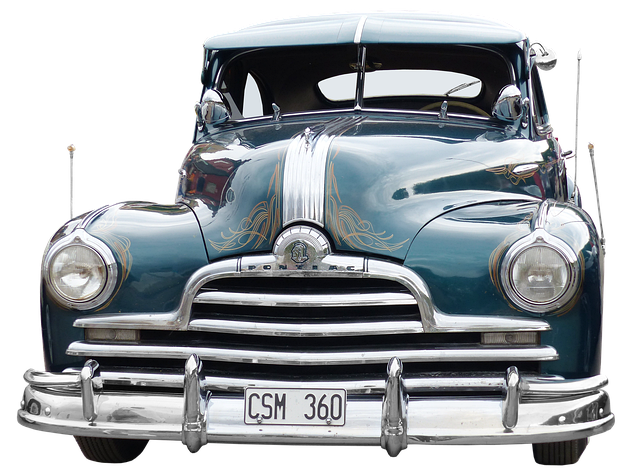
In California, the process of Vehicle Identification Number (VIN) verification is a crucial step in ensuring vehicle authenticity and compliance with state regulations. It involves a systematic check of a vehicle’s VIN, which serves as a unique identifier, against official records. This verification is typically conducted by the California Department of Motor Vehicles (DMV). The process starts when a vehicle owner or a qualified professional provides the VIN, along with relevant documentation, to the DMV. The department then cross-references this information with their databases to confirm the vehicle’s history, including its make, model, year, and any reported accidents or defects.
A vin verified vehicle in California has undergone this rigorous checking process, ensuring it meets all safety standards and regulatory requirements. This verification is not just a formality but a critical measure to safeguard against fraud and ensure consumer protection. It also facilitates the efficient management of vehicle records, making it easier for owners to register, title, or insure their vehicles without any hiccups.
Common Issues and Tips for a Successful VIN Verification

During a California DMV VIN verification, several common issues can arise. One of the primary challenges is accurate record-keeping; vehicles with a history of ownership changes or alterations may have discrepancies in their documentation, leading to delays or failures. Another frequent issue involves identifying modifications made to the vehicle, as unauthorized alterations can result in failure during inspection.
To ensure a successful VIN verification, it’s crucial to maintain complete and correct records. Keep detailed documents regarding all ownership transfers and any maintenance or repair work performed. Additionally, be prepared to demonstrate that all modifications comply with California’s legal requirements for registered vehicles. Regularly inspect your vehicle for any unauthorized changes and address them promptly. Lastly, stay informed about the latest guidelines and regulations from the DMV to avoid surprises during the verification process, ensuring a smooth experience with minimal hiccups.
California’s DMV VIN verification guidelines ensure vehicle authenticity, benefiting both buyers and sellers. By understanding who needs to get their vehicles vin verified, the process involved, and common issues, you can navigate this essential step smoothly. Remember, a successful VIN verification is crucial for peaceful ownership transfer and avoiding potential legal complications, making it an indispensable step in the automotive transaction process. Keep your vehicle records accurate and up-to-date with these simple steps.